Home / Corporate Ideas
Planning guide
Designing a Custom Patch That Presses Clean: Six Rules
Six design rules that decide whether your patch presses clean in ninety seconds or lifts at the seam a week later.
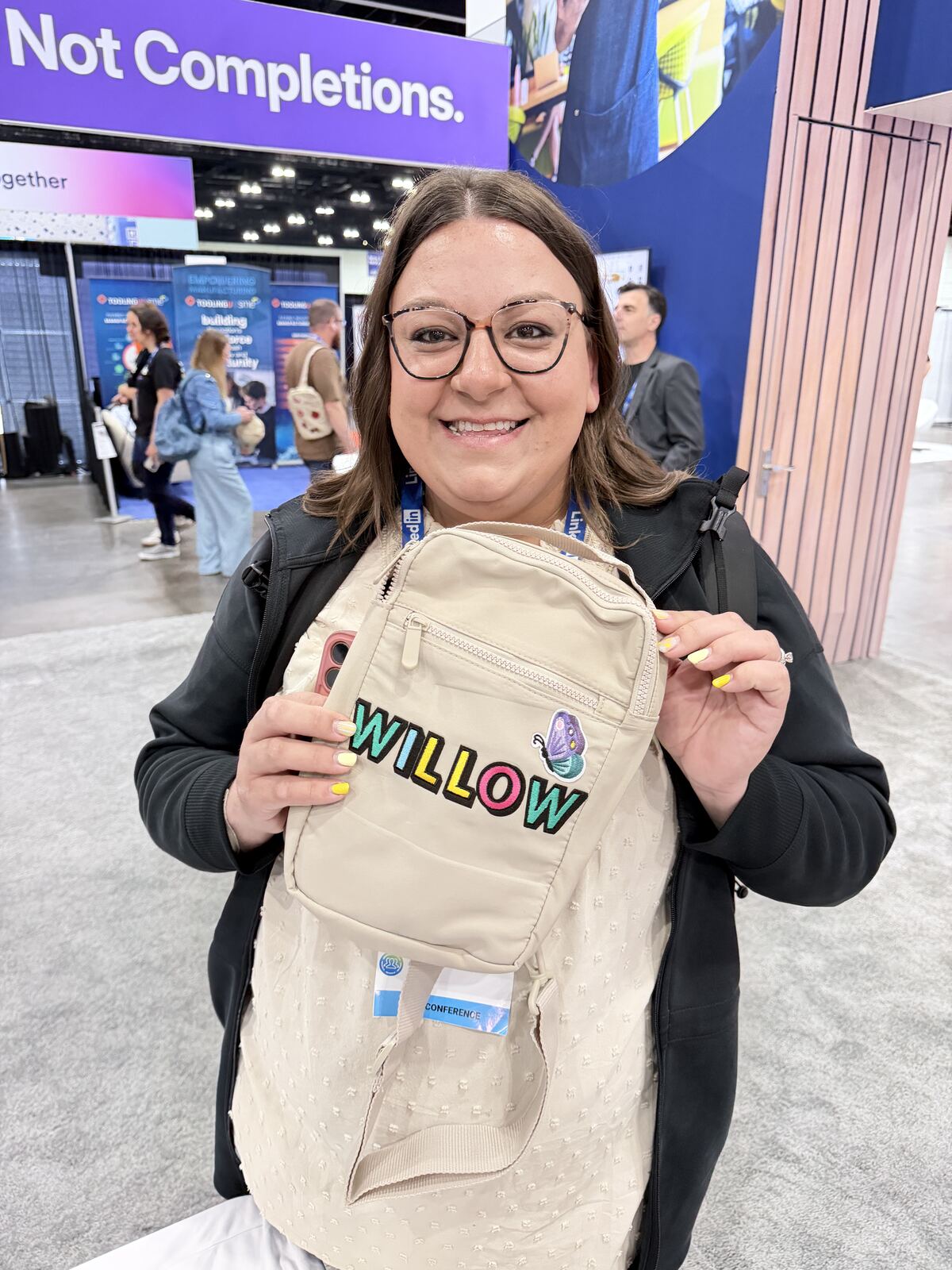
A patch bar looks simple from the guest side. Pick a patch, pick a hat, ninety seconds under the press, walk away wearing it. What makes it look simple is a decision somebody made three weeks earlier, at the artwork stage, in a spreadsheet nobody photographed.
Below are the custom patch design rules for event patch bars we hand clients before they send art to a manufacturer. None of these are aesthetic preferences. Each one is here because we have watched the alternative fail in front of a line of guests, which is a very public place to learn a lesson about stitch density.
Rules one and two: fit the panel, then choose the edge
Start with the real estate, not the logo. A structured six-panel cap gives you about 2.25 to 2.5 inches of usable height and 3 to 3.5 inches of width before you run into the crown curve and the center seam. Unstructured caps and dad hats are more forgiving on height and less forgiving on flatness. Totes, jackets and duffels take 4 to 6 inches without blinking.
The single most common cap failure is a patch that crosses the front seam. That seam holds a ridge no press can flatten, and the patch edge lifts there first — usually about a week after the event, which is exactly when the guest posts about it.
Then pick the edge, because the edge dictates the shape. A merrowed border, the thick overlocked rope edge people picture when they say patch, only wraps convex outlines: circles, ovals, shields, rounded rectangles. Anything with an interior notch, a tail, or a sharp point needs a laser-cut or die-cut border instead. If you ask for a merrow on a script wordmark, you will get a rounded blob that contains your wordmark.
Rule three: nothing tiny survives a needle
Embroidered satin-stitch lettering wants roughly a quarter inch of cap height to stay legible. At an eighth of an inch, the counters inside letters like a, e and 8 pack with thread and the word turns to texture. Woven patches hold finer type, down to about an eighth inch, because they are made on a loom rather than stitched. Leather with a laser-engraved mark holds fine line work too, but it lives on burn contrast, so it wants weight rather than hairlines.
Practically, that means the tagline goes. So does the URL, the founding date, and the registered mark that nobody will read at arm’s length. Strip the art down to the one element a guest can identify from six feet away, and let the hat do the rest.
Rule four: count your thread colors before you fall in love
Every thread color is a color change and a trim in the digitized file. It does not cost you per piece at the bar, but it costs at the sampling stage and it costs in crispness, because each added color is one more place for registration to drift at small scale. Four to six colors reads rich and stays clean. Two reads sharp and presses fast.
Gradients do not exist in embroidery. A digitizer approximates them with blended stitch passes, and at patch scale a faked gradient usually reads as mud. If your brand art has a gradient, convert it to flat steps yourself so you control where the steps land rather than discovering someone else’s interpretation on a sample. And match your colors against a physical thread card, not against your monitor — screen blue and thread blue rarely shake hands.
Rule five: put heat-seal backing on the purchase order, in writing
This is the rule that ends events. A patch bar works because the patch carries a heat-activated adhesive film on its back. Plenty of factories ship sew-on backing by default, some ship a lighter iron-on film that will not survive a wash, and velcro hook backing cannot be pressed at all.
- Write heat-seal backing on the purchase order as a line item, not as a note in an email thread.
- Require a physical sample and press one yourself on the actual garment you are buying.
- Ask for the sample at least a week before your patches ship, so a remake is still possible.
Custom patches run about three weeks from approved art. There is no rush lane worth the risk on a dated event. Order roughly 1.05 to 1.15 patches per expected guest and skew that overage toward the two designs you think will win — guests do not distribute themselves evenly across your menu. Our notes on choosing patches and garments go deeper on the mix.
Rule six: the garment has to survive the press too
Heat-seal backing wants firm pressure and a dwell measured in the teens of seconds, at a temperature cotton twill, canvas and denim shrug off. Nylon and coated performance shells do not shrug it off. Putting a patch on a windbreaker is a real decision, not a small one: lower temperature, shorter dwell, a cover sheet, and a sacrificial test garment you are prepared to ruin.
Structured caps need a cap platen or a small shoe press so the platen can reach inside the crown. A flat press will crush the panel and cook the buckram. If you have your heart set on a structured six-panel and a three-inch patch, say so during planning so the crew packs the right shoe rather than improvising on your floor. That single sentence in a planning email is worth more than any design tweak, and it keeps the throughput where keeping the line moving assumes it will be.
Frequently asked questions
How early do custom patches need to be ordered?
Plan on about three weeks from final art approval to patches in hand, and add a week of cushion so you can press a sample before the event. Stock number, letter and shape patches move much faster. If your date is inside three weeks, build the bar around stock patches and add one custom design for the next event.
Can any patch be heat pressed onto a hat?
Only patches manufactured with heat-seal backing. Sew-on patches have no adhesive and velcro hook backing cannot be pressed at all. Ask the manufacturer to confirm heat-seal backing in writing on the purchase order and again on the sample, then actually press one before the event.
What is the largest patch that works on a baseball cap?
On a structured six-panel you have roughly 2.25 to 2.5 inches of clean height and about 3 to 3.5 inches of width before you fight the seam and the crown curve. Unstructured caps give you a little more room. Totes, jackets and bags happily take 4 to 6 inches.
Send us the art before you send it to a factory
We will tell you which rules your design already breaks and what the cheapest fix is — usually a size change and one deleted line of type. See what a staffed patch bar includes, then request a quote with your date, city and headcount. Prefer to talk it through? Call (562) 614-4800.
Book the bar
Tell us about your event
Planning a company event? Tell us the format and headcount and we'll suggest a patch bar setup.